When a child’s first signs of autism surface—perhaps a delayed babble or a fixation on a single object—parents often feel like they’re stepping into a maze. The path from a curious observation to an official autism diagnosis can be winding, Perinatal complications but understanding the insurance side of things can turn a stressful detour into a well‑mapped road. In this guide we’ll unpack how insurance works for autism services, the rights parents have, and practical steps to keep the wheels turning smoothly. Whether you’re just starting the evaluation process or navigating a claim, the information below will help you keep your focus on what matters most: your child’s growth.
The Diagnosis Journey: From First Red Flag to Official Label
Early Indicators and When to Seek Evaluation
Most children who later receive an autism diagnosis show early signs before age two. These may include:
- Limited eye contact or social smiles Repetitive movements such as hand flapping Delayed speech or unusual vocalizations Strong resistance to changes in routine
If you notice any combination of these behaviors, it’s wise to schedule a developmental screening. A quick check can either rule out concerns or prompt a more in‑depth assessment.
The Role of Specialists and Testing
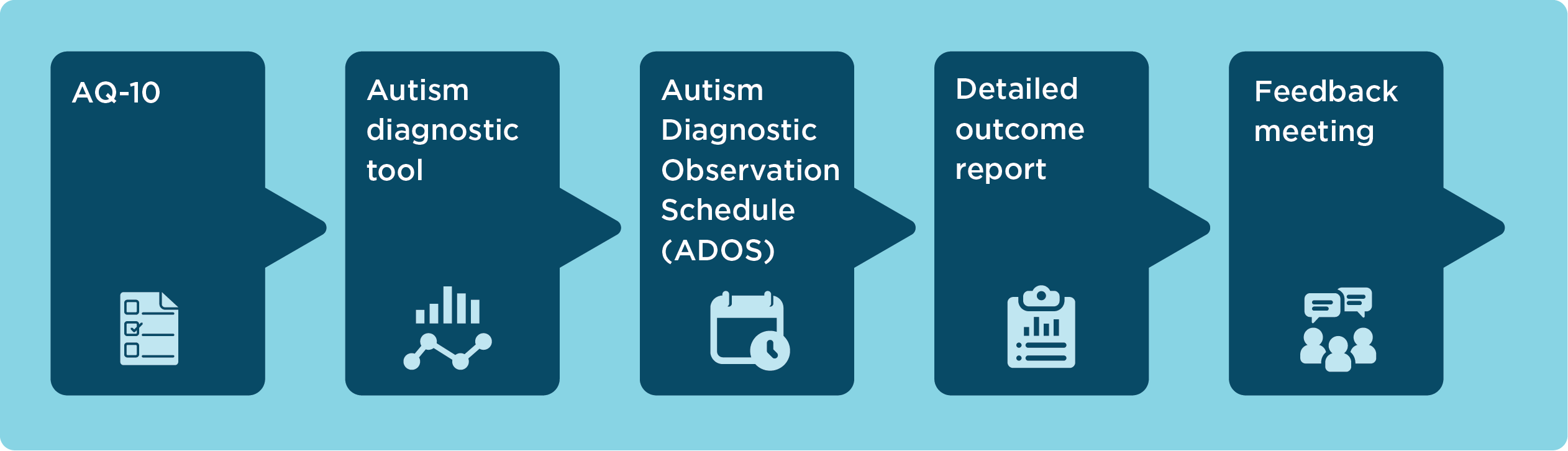
A formal diagnosis typically involves a team of professionals: a pediatrician, a developmental pediatrician, a psychologist, and sometimes a speech‑language pathologist. The process often includes:
- Standardized tests (e.g., ADOS, ADI‑R) Observations in natural settings Parent interviews and questionnaires
While the clinical journey may feel like a marathon, each step brings you closer to a clear diagnosis and the resources that follow.
Insurance Coverage Basics: What the Policy Actually Says
Understanding what your policy covers is like reading the fine print on a ticket to a concert—you might think you’ve got a seat, but the actual seating arrangement could surprise you. Below are the most common coverage areas for autism services:
- Early intervention programs for children under five Speech and occupational therapy Applied Behavior Analysis (ABA) therapy School‑based services (e.g., individualized education plans) Assistive technology and adaptive equipment
The specifics vary between Medicaid and private insurers, but most plans are required to cover early intervention and behavioral services under federal guidelines.
Medicaid and Private Insurance: Key Differences
- Medicaid: Often offers broader coverage for early intervention and may have lower out‑of‑pocket costs. Private Insurance: Coverage can be more restrictive; some plans cap the number of therapy visits or require prior authorization.
Knowing the distinction helps you anticipate paperwork and potential gaps in coverage.
Claim Filing and the Fine Print: Tips for a Smooth Process
Submitting a claim can feel like trying to assemble a complex IKEA set without the manual. Follow these steps to keep the assembly line moving:
- Gather all documentation: Diagnosis reports, treatment plans, and receipts. Use the correct claim form: Each insurer has a specific format. Submit within the required timeframe: Most policies require claims within 30–90 days of service. Keep copies of everything: Digital and hard copies serve as insurance against lost paperwork.
Common Pitfalls and How to Avoid Them
- Missing or incomplete forms: Double‑check that every box is ticked. Failing to obtain prior authorization: Some therapies need approval before services begin. Ignoring the appeal window: If a claim is denied, you often have 30 days to appeal.
A smooth claim process is the first step toward a reliable safety net for your child’s care.
Appeals and Advocacy: Turning a Denial into a Victory
When insurance denies a claim, it’s not the end of the road—think of it as a detour that can be navigated with the right tools. Here’s how to approach an appeal:
- Request a detailed denial letter: Knowing why the claim was denied is crucial. Gather supporting evidence: Letters from therapists, progress reports, and medical records. Write a concise appeal letter: State the facts, cite policy language, and explain the necessity of the services. Submit within the deadline: Most insurers allow a 30–60 day window.
The Power of Documentation and Support Letters
A strong appeal often hinges on documentation that proves the medical necessity of the requested services. If you can include a letter from a reputable specialist or a school official, your case gains weight—like adding a high‑visibility sticker to a paper airplane.
Real Stories: A Parent’s Perspective
I still remember the day my daughter, Maya, first sat in the pediatrician’s office with a “weird” look on her face. The doctor gently suggested a developmental screening, and we found ourselves in a maze of appointments, tests, and paperwork. When the diagnosis came, it felt like a weight lifted, but the real challenge began with insurance. After a denied claim for ABA therapy, we spent a weekend Click here for more drafting an appeal letter, gathering therapist notes, and finally getting the approval we needed. Maya’s progress has been nothing short of remarkable, and the experience taught us that persistence pays off—especially when you’re armed with the right information.
> “The first step in advocacy is to believe that your child’s needs are valid and deserving of support.” – Dr. Lisa Martinez, Pediatric Developmental Specialist
Tools, Resources, and Communities
Finding the right support network can turn the journey from a solitary trek into a shared adventure. Here are some resources to consider:
- Autism Speaks: Offers a database of local support groups and financial assistance programs. The Arc: Provides advocacy training and policy updates. National Autism Association: Offers a free hotline for insurance questions. State Medicaid Offices: Often have guides specific to autism services. Local Parent Advocacy Groups: Meetups and online forums can provide real‑world tips.
These tools act like a compass, helping you navigate the complex terrain of insurance and care.
Looking Ahead: Emerging Trends in Coverage
The insurance landscape for autism services is evolving, and staying ahead of the curve can save time and money. Current trends include:
- Telehealth Expansion: More insurers are covering virtual therapy sessions, which can reduce travel time and costs. Early Intervention Mandates: Some states are tightening requirements for early services, ensuring broader coverage. Policy Reforms: Ongoing legislative efforts aim to eliminate prior authorization hurdles for behavioral therapies.
By keeping an eye on these developments, you can anticipate changes that may benefit your family.
Your Next Steps: Empowering the Journey
Now that you’ve mapped out the terrain, it’s time to take action. Start by:

- Reviewing your current policy for coverage specifics related to autism services. Creating a master file of all diagnostic reports, treatment plans, and receipts. Setting up a calendar to track claim submission deadlines and appeal windows. Connecting with local advocacy groups for peer support and up‑to‑date policy information.
Remember, every step you take—whether it’s filing a claim or attending a support group—adds a brick to the sturdy foundation that will support your child’s future. With knowledge, preparation, and a dash of persistence, you can transform the maze of insurance into a clear path toward the services your child deserves.